
English| EUR
Suggested for you
More currencies
Choose a language
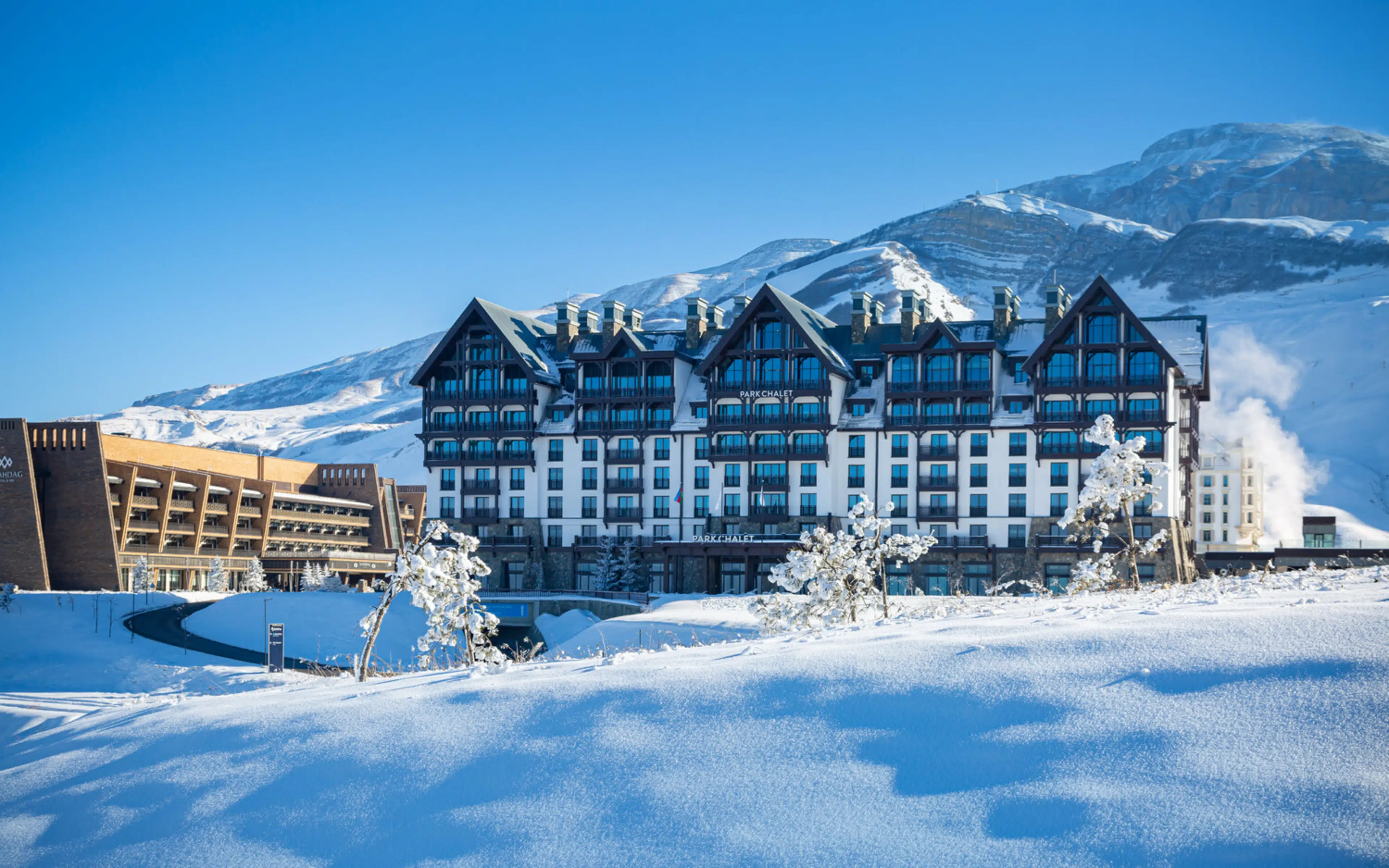
The striped peaks of Shahdag's Candy Cane Mountains sit at elevations where weather systems collide without warning. Seasonal shifts here dictate visibility, trail access, and the intensity of the mineral bands that give the slopes their name. This guide breaks down what to expect month by month and how to time your visit for the conditions that matter to you.
Quick answer
Candy cane mountains weather varies sharply across seasons: December through March brings heavy snowfall and sub-zero temperatures that obscure the striations, while June through September offers clear skies with daytime highs near 18–22°C and the best visibility of the colored rock layers. Spring and autumn see rapid temperature swings, frequent fog in the valleys, and unpredictable afternoon storms that can cut short morning excursions.
The Candy Cane Mountains of Shahdag Mountain Resort occupy a microclimate zone where altitude and the proximity of the Caspian basin create weather patterns that shift faster than forecasts can track. At 2,100 meters above sea level, the striped ridges experience temperature drops of 15 degrees Celsius between dawn and midday during transitional months, and wind speeds that double within an hour as thermal currents rise from the Khizi valleys below. Winter transforms the site into a monochrome landscape. From late November through early April, snowpack of one to two meters blankets the mineral bands, erasing the reds, whites, and ochres that define the terrain. Daytime temperatures hover between -8°C and -2°C, with occasional January cold snaps pushing thermometers below -15°C at higher elevations. Visibility during this period depends entirely on storm cycles—clear days reveal sharp contrasts between snow and exposed rock, but these windows rarely last more than 48 hours before the next front arrives. Summer climate conditions at Shahdag stabilize between mid-June and late August, delivering the most reliable weather window for observing the geological features. Morning temperatures start near 10°C, climbing to 20–23°C by early afternoon, with relative humidity below 40 percent and cloud cover that typically holds off until evening. Ultraviolet exposure at this altitude is 30 percent higher than at sea level, a factor that intensifies the perceived warmth and accelerates dehydration on exposed trails. Thunderstorms build over the peaks three to four afternoons per week during July and August, usually between 15:00 and 18:00, driven by convective heating over the ridgeline. Spring and autumn present the least predictable conditions. March through May and September through November see rapid oscillations between winter and summer regimes—morning frost giving way to midday sun, followed by dense fog rolling upslope by late afternoon. Precipitation during these months falls as rain below 1,800 meters and snow above, creating mixed conditions that vary hour by hour. Visibility of the candy cane striations can be spectacular when low-angle sunlight breaks through clearing storms, but planning around these moments requires flexibility and local weather monitoring rather than advance scheduling.
“At 2,100 meters, the striped ridges experience temperature drops of 15 degrees Celsius between dawn and midday during transitional months.”
The best arrival window is 07:00–10:00, as the soft morning light enhances the sediment colors while avoiding the intense midday heat. Planning your visit during the spring or autumn months provides the most comfortable conditions for exploring the terrain.
Mild, 15°C to 22°C
Vegetation is green and temperatures are pleasant for walking.
Clear skies, 14°C to 21°C
Stable weather patterns offer high visibility for photography.
Hot and dry, 25°C to 35°C
High temperatures necessitate early morning activity to avoid heat exposure.
Cold and windy, 0°C to 8°C
The landscape may be obscured by mist or light snow.
Verdict: For the most favorable conditions, visit between April and May or September and October, arriving within the 07:00–10:00 window.
The Candy Cane Mountains are located in the Khizi District, approximately 100 kilometers north of Baku. Access is via road as these mountains are an outdoor landscape rather than a resort facility.
M1 Highway from Baku towards Khizi
Private hire from Baku city center
Travelers should follow the M1 highway toward Khizi and use a vehicle suitable for unpaved terrain. As this is a public landscape, parking is available along the roadside.
The Candy Cane Mountains are accessible to the public 24 hours a day, seven days a week. While the site remains open at all times, visibility and safety depend entirely on local weather conditions.
Pack for rapid weather shifts and exposed mountain terrain.
Everything you need to know about candy cane mountains weather
The candy cane mountains weather in the Khizi District is characterized by semi-arid conditions that can change quickly. Temperatures often fluctuate significantly between day and night, affecting the visibility of the red and white sedimentary layers. Seasonal changes often bring intense heat in summer or cooler winds during transition months. Visitors planning a visit to these geological landmarks should monitor local forecasts to ensure comfortable exploration. As of August 2026, the area experiences high summer temperatures, making early morning arrivals ideal for avoiding midday heat. The dry climate means the path remains accessible throughout the week, though extreme heat may limit outdoor activity duration. While the mountains are a distinct location, travelers often combine this excursion with a trip to the nearby Shahdag Mountain Resort. You can reach the site any day, as it is open from 00:00 to 23:59. Staying hydrated is essential during summer months, regardless of the specific candy cane mountains weather forecast. The terrain features exposed clay and sandstone, which offer little shade against the sun. Always wear appropriate sun protection and sturdy footwear to navigate the geological formations safely. Bringing sufficient water and light, breathable clothing helps visitors stay comfortable while walking through the unique landscape.